Elderly people are especially vulnerable to just about everything: sickness, isolation, injury, and even abuse. In fact, 1 in 6 people over the age of 60 have experience some form of abuse in a community setting every year. Often the people responsible for this abuse are the very ones we expect to care for our elderly.
As nursing home abuse lawyers in Hamilton, Ohio, we’re all too familiar with how common elderly abuse can be. That’s why we work hard to help people see the signs of nursing home neglect and abuse and pursue legal action against those responsible.
One of the first questions we hear from people experiencing nursing home abuse is “who is actually responsible for the abuse?” Is it the facility? The caretaker? Or someone else entirely?
Before we answer that question, we need to understand nursing home liability as a whole.
Understanding Liability in Nursing Homes
Nursing homes have significant responsibilities to the people living in their facilities. Residents often depend on staff for some of their most basic needs, including medication, hygiene, nutrition, mobility, and medical care.
When a resident is injured, determining liability generally requires looking at what happened, who was responsible for providing care, whether appropriate care was provided, and whether a failure contributed to the resident’s injuries.
Two important concepts in that process are duty of care and breach of duty.
Duty of Care
Nursing homes and the people responsible for caring for residents have certain obligations to provide appropriate care.
Exactly what that care requires depends on the resident and the circumstances. Nursing home residents have different medical conditions, physical limitations, medications, and levels of independence.
A facility’s responsibilities can include providing appropriate medical attention, properly administering medications, assisting residents with hygiene and daily activities, taking reasonable measures to prevent falls and other accidents, providing adequate food and hydration, and protecting residents from nursing home abuse.
Care should also respect a resident’s dignity and individual rights.
When someone enters a nursing home, the facility takes on significant responsibilities for that person’s well-being. Families should be able to trust that those responsibilities will be taken seriously.
Breach of Duty
A breach can occur when a nursing home or someone responsible for a resident’s care fails to meet an applicable duty.
Some breaches may involve direct abuse. Others result from neglect or failures that occur over time.
For example, an employee might physically harm a resident. A resident might repeatedly not be given necessary medication. Someone at risk of falling might not receive appropriate assistance or supervision. A facility might fail to respond to signs that a resident is being abused by another person.
Not every injury that occurs in a nursing home automatically means that abuse, neglect, or negligence occurred. Residents may have serious health conditions, and accidents can happen even when appropriate care is provided.
The question is whether someone’s action or failure to act violated a duty owed to the resident and contributed to the harm that followed.
Who Is Actually Liable: the Facility or the Individual?
This is where nursing home cases can become complicated.
If an employee directly harms a resident, it may seem obvious that the employee is responsible. However, legal responsibility may not necessarily end with that individual.
Depending on the facts of a particular case, liability could involve the individual employee, the nursing home, a healthcare provider, a contractor, or potentially multiple parties.
When an Individual May Be Responsible
An individual may potentially bear responsibility when his or her own conduct causes harm to a resident.
This could involve a staff member who physically or emotionally abuses someone, a caregiver who neglects a resident’s needs, or a medical professional whose actions or omissions cause an injury.
Determining individual responsibility requires examining exactly what happened and the person’s role in caring for the resident.
When the Nursing Home May Be Responsible
A nursing home can have responsibilities that extend beyond the actions of one employee.
For example, facilities are responsible for properly operating and maintaining the nursing home. Questions may arise regarding hiring practices, employee training and supervision, staffing, safety procedures, and how the facility responds to complaints or warning signs.
A facility may potentially face liability for its own failures. Depending on the circumstances, a nursing home may also be responsible for certain actions of employees performed within the scope of their employment, a concept commonly referred to as vicarious liability.
This means an investigation should not necessarily end with the person who directly caused an injury.
Imagine, for example, that a resident is harmed by an employee. Looking only at that individual might leave important questions unanswered. Are there previous complaints about that employee? Was the person appropriately trained? Were supervisors aware of concerning behavior? Did the facility respond appropriately to earlier incidents?
Those details can change the larger picture of what happened and who may bear responsibility.
How to Spot Nursing Home Abuse
Nursing home abuse is not always obvious.
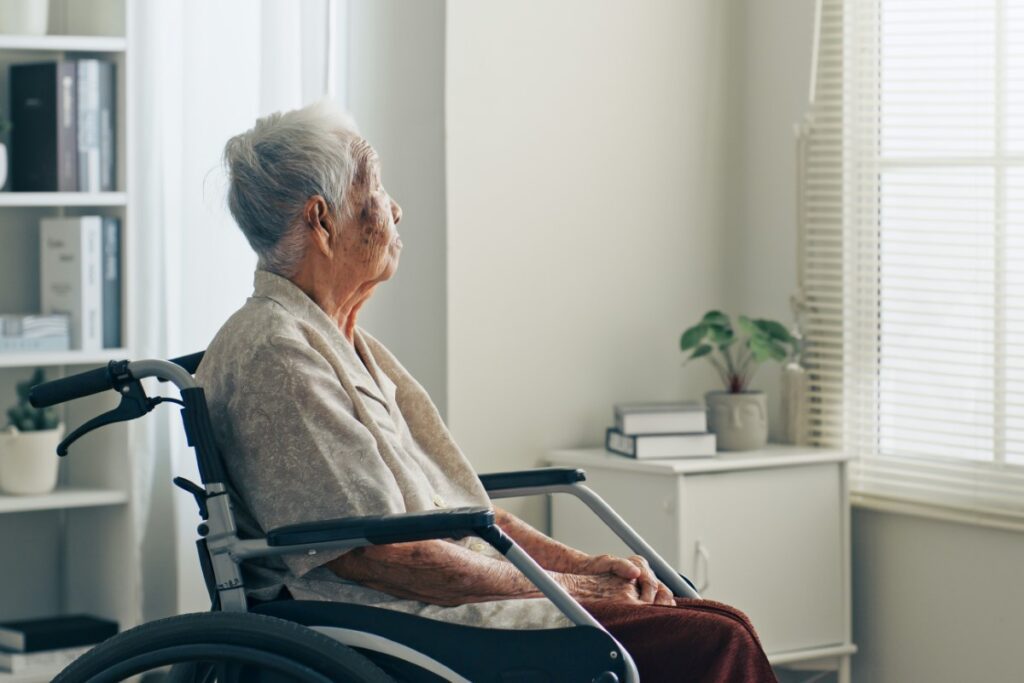 Some residents are unable or reluctant to tell their families what is happening. A resident may have difficulty communicating because of a medical condition. Others may feel embarrassed, confused, or afraid that speaking up will make their situation worse.
That makes it especially important for family members to pay attention to changes in their loved one’s physical and emotional condition.
Physical injuries such as unexplained bruises, cuts, burns, fractures, or repeated falls can warrant closer attention. So can bedsores, poor hygiene, dehydration, unexplained weight loss, or signs that medical needs are not being properly addressed.
Behavioral changes can also matter.
A loved one who suddenly becomes withdrawn, anxious, fearful, agitated, or unusually quiet may be experiencing something that deserves further investigation. Pay particular attention if their behavior changes around a specific caregiver or staff member.
Other potential warning signs can include unexplained medication changes, missing personal belongings, unusual financial activity, unsanitary living conditions, or repeated difficulty getting clear answers from staff about injuries or changes in a resident’s condition.
None of these signs automatically proves that nursing home abuse has occurred. There may be reasonable explanations for some changes, particularly when someone is elderly or managing significant medical conditions.
Still, you know your loved one. If something appears wrong, asking questions is appropriate.
What Should You Do If You Suspect Nursing Home Abuse?
If you believe a loved one is in immediate danger, their safety should be the first priority. Seek emergency assistance when necessary.
You should also document your concerns whenever possible. Keep records of unusual incidents and conversations with staff. Take photographs of visible injuries or concerning conditions when appropriate. Write down dates, names, and descriptions of what you observed.
Medical records, facility records, witness accounts, photographs, and other documentation may become important if there is eventually an investigation into what happened.
Most importantly, do not feel that you have to determine liability by yourself before asking for help.
When to Speak to an Attorney
If your loved one has suffered a serious or unexplained injury in a nursing home, you have repeatedly raised concerns that have not been addressed, or you suspect nursing home abuse or neglect, it may be time to speak with an attorney.
You do not need to know exactly who was responsible before having that conversation.
In fact, identifying who may be liable is one of the reasons legal guidance can be valuable. What initially appears to be the misconduct of a single employee could involve larger questions about supervision, training, policies, staffing, or the facility’s response to previous warning signs.
An attorney can review the circumstances surrounding the injury, help gather available evidence, obtain relevant records, identify potentially responsible parties, communicate with the nursing home and insurance companies, and explain the legal options available to the resident and family.
The Richards Firm is Here to Listen and Take Action
If you remotely suspect a loved one is suffering due to the actions (or inactions) of a care facility, it’s best to take action as soon as possible. While many people wait to speak to an attorney, it’s actually best to speak to one sooner than later.
At The Richards Firm, we want people to fully understand their rights and options. That’s why we offer free consultations. We meet at a place of your choosing whether in person, over the phone, or virtually. We listen to your situation, answer your questions, and discuss how to best proceed.
It may be as simple as offering someone a few questions to ask their care facility and/or a few initial actions to take.
Alternatively, you may decide to immediately proceed with our legal services so we can start building your case. Should you choose to use us as your attorney, we work on a contingency fee. That means you only owe money if we win your case.
Again, if you have a loved one who might be suffering due to nursing home abuse in the greater Cincinnati area, don’t wait. Contact The Richards Firm today and schedule your free consultation.
You can schedule online by clicking here or by giving us a call at 513-461-0084.

