After a car accident, you may assume that the facts will speak for themselves. Unfortunately, that’s not always what happens.
Sometimes another driver may tell the police, their insurance company, or even their attorney a different version of events than what actually occurred. Sometimes a different version of the events becomes multiple different versions. They might deny speeding, claim they had the right of way, insist you caused the collision, or provide a version of the accident that leaves out important details.
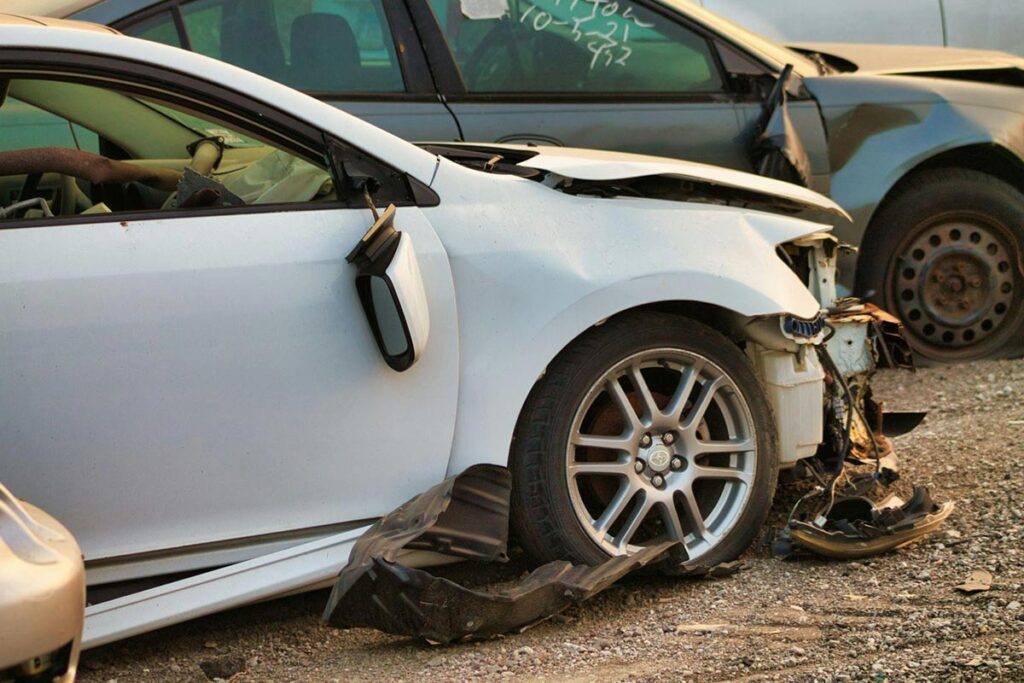 When the other driver’s story conflicts with yours, it can make an already stressful situation even more difficult. Insurance companies may use conflicting accounts as a reason to dispute liability or argue a reduced value of your claim.
The good news is that a disagreement between two drivers does not necessarily mean there is no way to determine fault. Evidence from the accident scene, witnesses, photographs, vehicle damage, surveillance footage, and other sources can help establish what actually occurred.
As experienced vehicle accident attorneys in Hamilton, Ohio, The Richards Firm has helped many Ohio & Kentucky residents through this difficult situation. It starts with understanding how fault is determined.
How Is Fault Determined in an Ohio Car Accident?
Determining fault generally involves examining the evidence and asking whether a driver’s actions or failure to act caused the collision.
Potentially negligent conduct can include:
- Speeding
- Distracted driving
- Running a red light
- Failing to yield
- Following too closely
- Unsafe lane changes
- Driving under the influence
- Failing to maintain control
- Ignoring traffic signs
The investigation may also need to consider whether other factors contributed to the crash.
For example, a collision could involve more than one negligent driver, or road conditions could have contributed to the accident.
The goal isn’t simply to determine whose story sounds more believable. The goal is to examine the available evidence and establish what actually happened.
Why Do Drivers Dispute Fault After an Accident?
Even when fault seems obvious, another driver may deny responsibility or dispute your version of the story. Why? There are a number of reasons. Car accidents are serious events, and it’s natural that someone may be hesitant to take the full blame, even when it was caused by them.
A driver may:
- Be afraid of receiving a traffic citation
- Want to avoid an insurance claim
- Be concerned about increased insurance premiums
- Misremember what happened
- Believe they were not responsible
- Attempt to shift blame to the other driver
- Fail to recognize their own unsafe behavior
- Know they were distracted or impaired and attempt to conceal it
In some situations, the disagreement may simply be the result of two people remembering a stressful event differently. Does that mean you should simply shrug it off and pay cover the expenses yourself? Absolutely not.
What Should You Do If the Other Driver Blames You?
If another driver claims you caused the accident, remain calm and avoid getting into an argument at the scene.
Instead, focus on documenting what happened.
If you are physically able and it is safe to do so:
- Call 911 and report the accident.
- Seek medical attention for any injuries.
- Take photographs and videos of the scene.
- Get contact information from witnesses.
- Exchange required information with the other driver.
- Write down what you remember as soon as possible.
- Avoid admitting fault or speculating about what happened.
- Notify your insurance company as appropriate.
- Preserve documents and communications related to the accident.
The Richards Firm’s guide on what information to exchange with the other driver after a vehicle accident provides additional guidance about documenting information at the scene.
Remember that saying “I’m sorry” after an accident does not necessarily mean you have admitted legal fault. However, it’s generally best to avoid making statements about who caused the accident before all of the facts are known.
Photographic Evidence is Critical
When drivers disagree about what happened, photographs can provide important evidence of the conditions immediately after an accident. If it is safe to do so, photograph both vehicles and their damage from multiple angles, along with the roadway, traffic signs, lane markings, skid marks, debris, and any visible injuries.
Photos are especially valuable because accident scenes change quickly. Vehicles are moved or repaired, debris is cleared, and skid marks fade. You should also take note of nearby businesses, homes, traffic cameras, or other potential sources of video footage.
The goal is not to determine fault yourself. It is to preserve information that may help establish what happened later.
Gather Witness Testimonies and Contact Info
Independent witnesses can be particularly valuable when the people involved in an accident give conflicting accounts.
A witness may have seen who had the right of way, whether someone ran a light, changed lanes, was following too closely, or was otherwise driving unsafely. If someone witnessed your accident, ask for their name and contact information when possible. You do not need to interview them at the scene. Having their information allows a more complete statement to be gathered later.
Remember that witnesses may include people in nearby homes or businesses, pedestrians, or other drivers. Identifying them shortly after the accident can be important because they may become difficult to locate as time passes.
Always Make a Police Report
Even when an accident appears relatively minor, contacting the police can create an important record of what happened. A responding officer can document the drivers and vehicles involved, gather statements, identify witnesses, and record observations about the accident scene.
A police report is important evidence, but it does not necessarily determine who is legally responsible. If a report contains an error or does not match your recollection, photographs, witness statements, video footage, vehicle damage, and other evidence may provide additional context.
If you believe a police report contains significant inaccuracies, consider discussing it with an attorney rather than assuming the report alone will determine the outcome of your claim.
What If the Other Driver Lies to the Insurance Company?
Insurance companies investigate accidents to determine whether they have an obligation to pay a claim.
If the other driver gives the insurer an inaccurate version of events, the insurance company may initially rely on that information when evaluating your claim. This can become particularly frustrating if the insurer then tells you that its policyholder is not responsible. Don’t assume that an initial insurance determination is necessarily the final answer.
Your attorney can present additional evidence and challenge disputed liability when appropriate.
What If You Were Partially at Fault?
Sometimes an insurance company may respond to a disputed accident by claiming that both drivers were responsible. Ohio follows a modified comparative fault system. Under § 2315.33, an injured person can still recover damages when partially responsible, provided their share of fault is not greater than the combined fault of the other responsible parties. Their compensation is then reduced according to their percentage of fault.
That makes it especially important to challenge an inaccurate version of events when the other driver is attempting to shift blame onto you.
An attorney can review the available evidence and help determine how fault should be evaluated under Ohio law.
How a Vehicle Accident Attorney Can Help
When liability is disputed, having an attorney investigate the accident can make a significant difference.
A vehicle accident attorney can review police reports, photographs, video footage, witness statements, vehicle damage, and other available evidence to develop a clearer understanding of what happened and who may be responsible.
An attorney can also communicate with insurance companies, address inaccurate or conflicting statements, identify potentially responsible parties, and negotiate on your behalf. When a case requires additional investigation, accident reconstruction professionals and other qualified experts may be used to inspect the scene, preserve evidence, contact witnesses, and document relevant details.
This type of support can be particularly valuable when another driver or their insurance company disputes responsibility for the accident.
Let’s Build a Case That Tells Your Story
Being blamed for an accident you didn’t cause can be incredibly frustrating. But when it comes to the law, it’s about more than just their word vs. yours. It’s about supporting your claims with facts and evidence. We can help with that.
At The Richards Firm, we understand the nuances of fault, insurance claims, police reports, and everything in between. But first, we start with hearing the specifics of your situation, what happened, and what you’re ultimately trying to accomplish. From there, we can begin building a case that supports the truth and leads you towards a better outcome.
If you’ve been injured in an Ohio car accident and the other driver is blaming you or providing an inaccurate account, you don’t have to handle the dispute alone.
With The Richards Firm, your initial consultation is always free, and should you move forward with our legal services, you don’t owe anything unless we win your case.
If you’ve been injured in a vehicle accident, contact The Richards Firm to schedule a free consultation and discuss your legal options. We can be reached at 513-461-0084 or by visiting our contact page here.
